
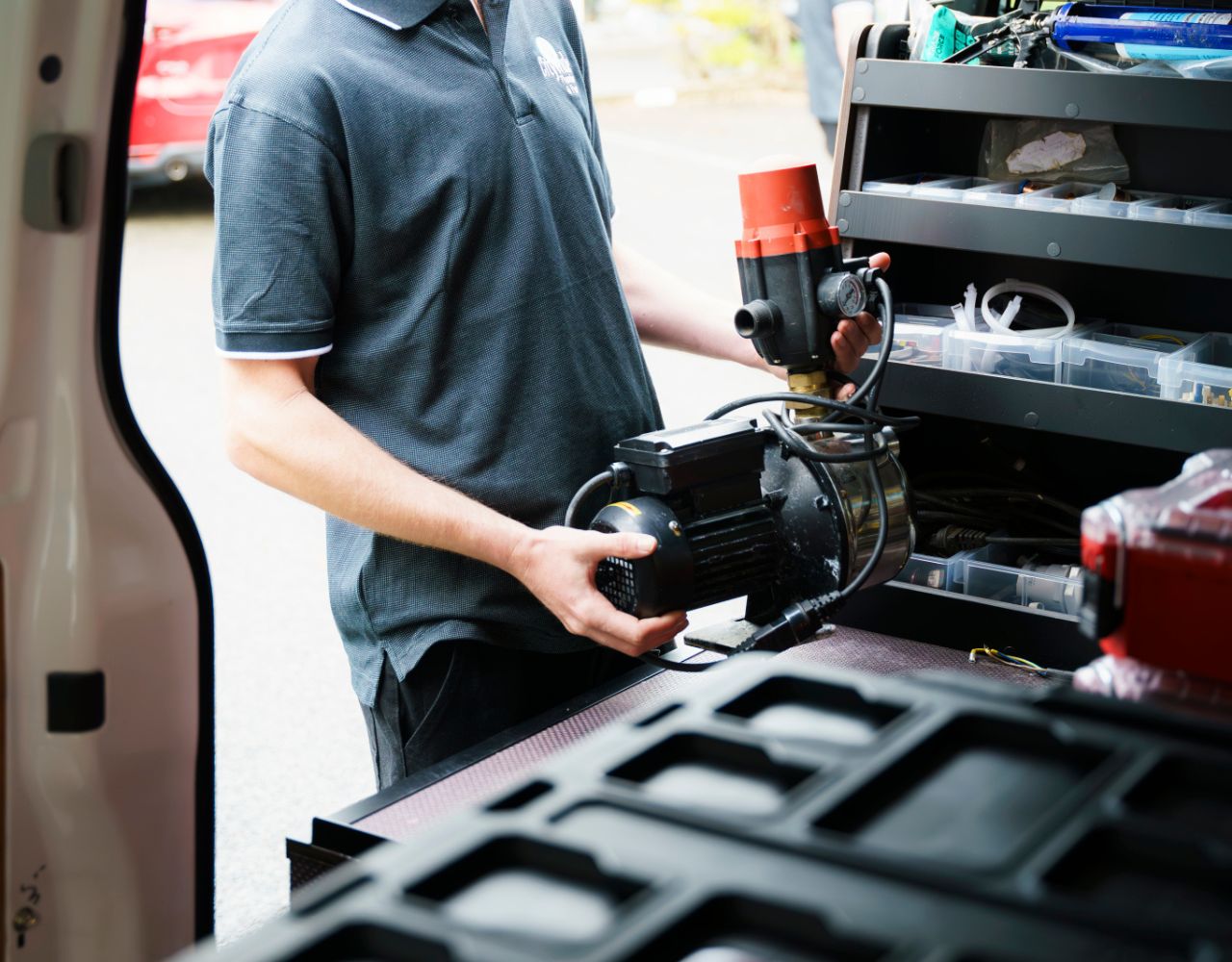
ater pumps are essential in many New Zealand homes. Whether supplying pressure from a rainwater tank, moving wastewater uphill, or supporting irrigation systems, pumps often operate automatically in the background.
Because they run out of sight, problems can develop gradually without homeowners noticing. By the time a pump completely fails, it may already have shown warning signs for weeks or even months.
Recognising early symptoms of pump failure can help you avoid sudden loss of water pressure, unexpected repair costs, and emergency plumbing callouts.
In this guide, we’ll explain the most common signs your water pump may be about to fail and what you should do if you notice them.
Why Water Pumps Fail Over Time
Water pumps are mechanical systems that contain motors, seals, bearings, electronics, and moving hydraulic components. Like any equipment exposed to regular use and changing environmental conditions, these parts naturally wear out.
Common factors that contribute to pump failure include:
- Continuous heavy demand
- Poor water quality or sediment
- Electrical fluctuations
- Lack of maintenance
- Incorrect installation or sizing
- Age-related deterioration
Even high-quality pumps will eventually need repair or replacement.
1. Your Pump Is Making Unusual Noises
One of the earliest warning signs is a noticeable change in sound.
While pumps normally produce a low hum when operating, unusual noises can indicate developing problems.
These sounds may include:
- Grinding or scraping
- High-pitched whining
- Loud humming
- Vibrating or rattling
- Clicking or knocking
Noise changes can be caused by worn internal bearings, cavitation from restricted water supply, loose components, or failing electrical parts. If the sound becomes louder or more frequent, the pump should be inspected before further damage occurs.
2. Water Pressure Has Dropped Around the House
Declining water pressure is one of the most common symptoms homeowners notice.
You may experience weaker showers, taps that take longer to fill sinks or containers, or irrigation systems that seem less effective than before.
Reduced pressure can occur when:
- Pump impellers begin to wear
- Filters become blocked
- Air enters the suction line
- Pressure sensors malfunction
- The motor struggles to maintain output
Pressure problems may appear gradually at first, making them easy to overlook.
3. The Pump Is Turning On and Off Frequently
Healthy pump systems run when water is required and then switch off once pressure is restored.
If your pump begins activating more often than usual, this can signal trouble.
Frequent cycling may include:
- Turning on every few seconds
- Starting unexpectedly when no water is being used
- Running repeatedly overnight
- Failing to stay off after use
This behaviour can indicate leaks in the plumbing system, a failing pressure tank, faulty switches, or declining pump efficiency. Constant cycling places extra strain on the motor and significantly reduces lifespan.
4. The Pump Runs Continuously Without Stopping
A pump that does not switch off is a serious warning sign.
Continuous operation can result from the pump being unable to reach the required pressure level. This may happen due to internal wear, blocked pipework, control faults, or major leaks.
If a pump runs for long periods without rest, it can overheat and eventually burn out. In wastewater systems, continuous running may also indicate sensor or float switch issues.
Ignoring this symptom can lead to sudden and complete system failure.
5. Electricity Bills Have Increased Without Explanation
Water pumps consume noticeable amounts of electricity, especially in households relying on tank supply or large irrigation systems.
An unexplained increase in power usage may mean the pump is running longer or working harder than normal.
Possible causes include:
- Reduced efficiency due to worn components
- Plumbing leaks triggering repeated operation
- Blocked filters restricting water flow
- Motor overheating
Monitoring electricity trends can help identify hidden pump issues early.
6. Visible Leaks, Corrosion, or Physical Damage
Sometimes pump problems are easy to spot during a simple visual inspection.
Warning signs may include moisture around the pump, rust forming on fittings, cracked housings, or loose electrical connections.
Leaks can reduce pressure stability and create safety hazards, especially where electrical components are exposed. Corrosion may also indicate long-term environmental exposure or seal failure.
Regularly checking the condition of the pump area can help catch issues before they escalate.
7. The Pump Struggles to Start or Stops Working Completely
In more advanced stages of failure, the pump may hesitate before starting or fail to run altogether.
This can occur due to electrical faults, motor burnout, damaged control systems, or severe mechanical wear.
Complete pump failure is often the final stage after earlier warning signs have been ignored. At this point, repair options may be limited and replacement may be the most practical solution.
How Long Do Water Pumps Usually Last?
Pump lifespan varies depending on usage patterns, installation quality, and maintenance.
Typical expectations are:
- Pressure pumps often last between five and twelve years
- Submersible pumps may last seven to fifteen years
- Wastewater pump systems commonly last five to ten years
Regular servicing and prompt attention to early symptoms can extend system life significantly.
Can Pump Failure Be Prevented?
While all pumps eventually wear out, proactive maintenance helps reduce the likelihood of unexpected breakdowns.
Good maintenance habits include replacing water filters on schedule, checking for leaks, monitoring noise changes, and arranging professional inspections when performance changes are noticed.
Addressing small problems early can prevent larger and more expensive failures later.
When Should You Call a Professional?
You should seek expert advice if you notice persistent noise, pressure loss, unusual cycling behaviour, rising electricity costs, or visible damage around the pump.
Technicians can determine whether repairs are viable or whether upgrading to a newer system will provide better long-term reliability.
Taking action early helps minimise disruption and protects your home’s water supply.
Understanding the warning signs of pump failure allows homeowners to make informed decisions and avoid sudden emergencies. If your pump has started behaving differently, getting it checked sooner rather than later can save time, money, and stress.
