Low water pressure can turn everyday tasks into annoyances. Showers take longer, taps feel weak, and appliances don’t perform as they should. While the issue is common, the causes aren’t always obvious, and they can range from simple fixes to more serious plumbing problems.
This article explains the most common causes of low water pressure in residential homes, how to identify where the problem might be coming from, and when it’s worth getting a professional opinion.
What Is Low Water Pressure?
Water pressure refers to the force that pushes water through your plumbing system. In most New Zealand homes, normal pressure usually sits between 300 and 500 kPa. When pressure drops below this range, water flow becomes noticeably weaker.
Low pressure may affect a single tap, one area of the house, or the entire property. Understanding the scope of the issue is the first step toward finding the cause.
Common Causes of Low Water Pressure
Partially Closed Valves
A partially closed valve is one of the simplest explanations for low water pressure. This can include:
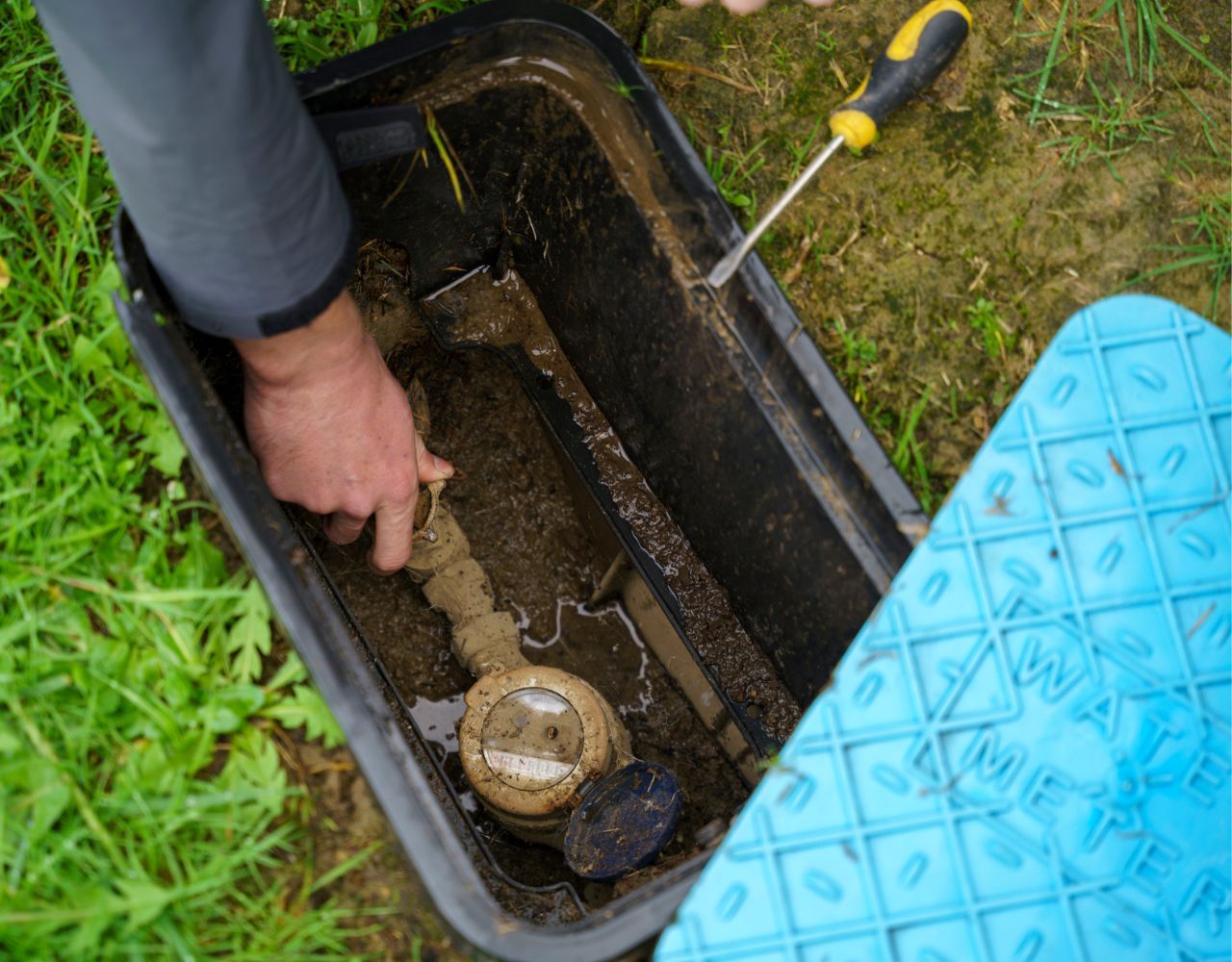
- The main shut-off valve near the water meter
- Internal isolation valves
- Valves left partially closed after plumbing work
Even being slightly closed can significantly reduce flow across the system.
Ageing or Corroded Pipes
Older homes may still have galvanised steel pipes. Over time, these pipes corrode internally, narrowing the space water can flow through.
This gradual buildup can cause:
- Reduced pressure throughout the home
- Uneven flow between fixtures
- Discoloured water in some cases
Because corrosion happens inside the pipe, the issue isn’t always visible from the outside.
Hidden Plumbing Leaks
Leaks don’t always appear as obvious drips or puddles. Water can escape behind walls, under floors, or underground, reducing pressure at taps and showers.
Common signs of hidden leaks include:
- Unexplained increases in water usage
- Damp patches or mould
- Pressure that drops unexpectedly
Leaks should be addressed early to prevent further damage.
Pressure Reducing Valve Issues
Some homes use a pressure reducing valve (PRV) to control incoming water pressure. If the valve is incorrectly set or begins to fail, it can restrict water flow.
A faulty PRV may cause:
- Consistently low pressure across the house
- Pressure that changes without warning
- No improvement after cleaning fixtures
Issues with the Mains Water Supply
Occasionally, low water pressure is caused by external factors such as:
- Maintenance or repairs on the water main
- High demand during peak times
- Localised supply faults
If nearby properties are experiencing similar issues, the problem may be outside the home rather than within the plumbing system.
Blocked Fixtures and Fittings
Mineral buildup and sediment can block:
- Tap aerators
- Shower heads
- Inline filters
When only one or two fixtures are affected, removing and cleaning these components can often restore normal flow.
Plumbing System Design Limitations
In some homes, low pressure results from the way the plumbing system was designed or modified over time. Adding extra bathrooms or appliances can place greater demand on pipework that wasn’t designed for it.
This may be noticeable when multiple taps are used at the same time, causing pressure to drop across the system.
How to Narrow Down the Cause
A few simple checks can help determine where the issue may lie:
- Test multiple taps to see if the problem is isolated or widespread
- Check whether both hot and cold water are affected
- Ask neighbours if they are experiencing similar issues
- Inspect visible valves to ensure they are fully open
If these checks don’t reveal the cause, further investigation is often required.
When to Seek Professional Advice
Low water pressure that persists or worsens over time may indicate a deeper issue within the plumbing system. Professional assessment is typically recommended if:
- Pressure is low throughout the house
- There are signs of leaks or water damage
- Hot water pressure is significantly lower than cold
- Recent plumbing changes have affected performance
Understanding the Fix
The solution depends entirely on the underlying cause. Common remedies include adjusting valves, repairing leaks, replacing worn components, or upgrading sections of pipework. Identifying the correct cause first helps avoid unnecessary repairs and ensures the issue is properly resolved.
A Note on Local Plumbing Conditions
Water pressure issues can vary depending on property age, location, and infrastructure. In Auckland, for example, homes range from older properties with original pipework to newer builds with modern pressure regulation systems. A tailored assessment is often the most reliable way to understand what’s affecting a specific property.
